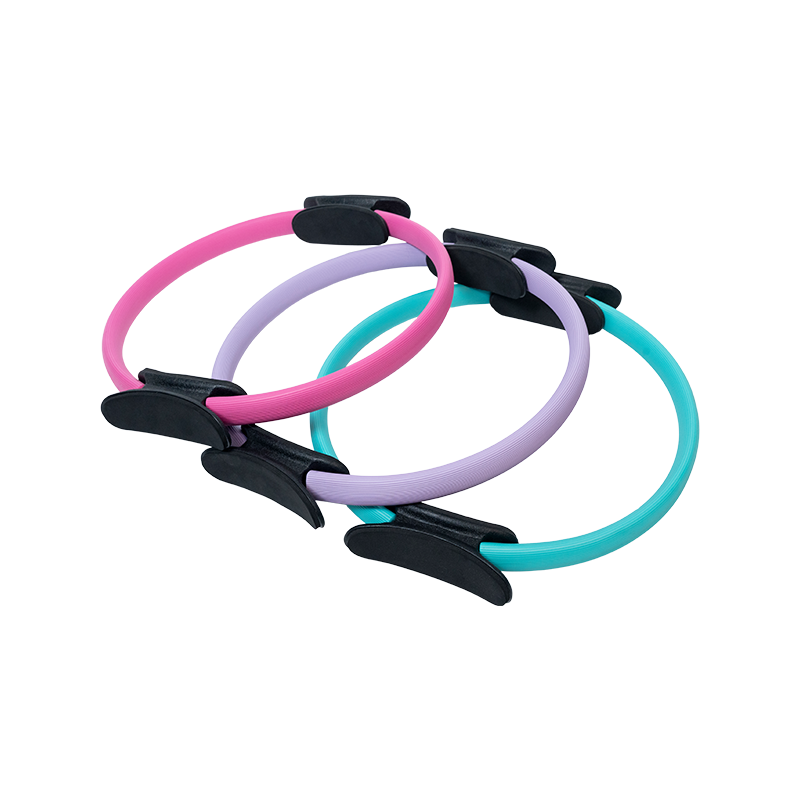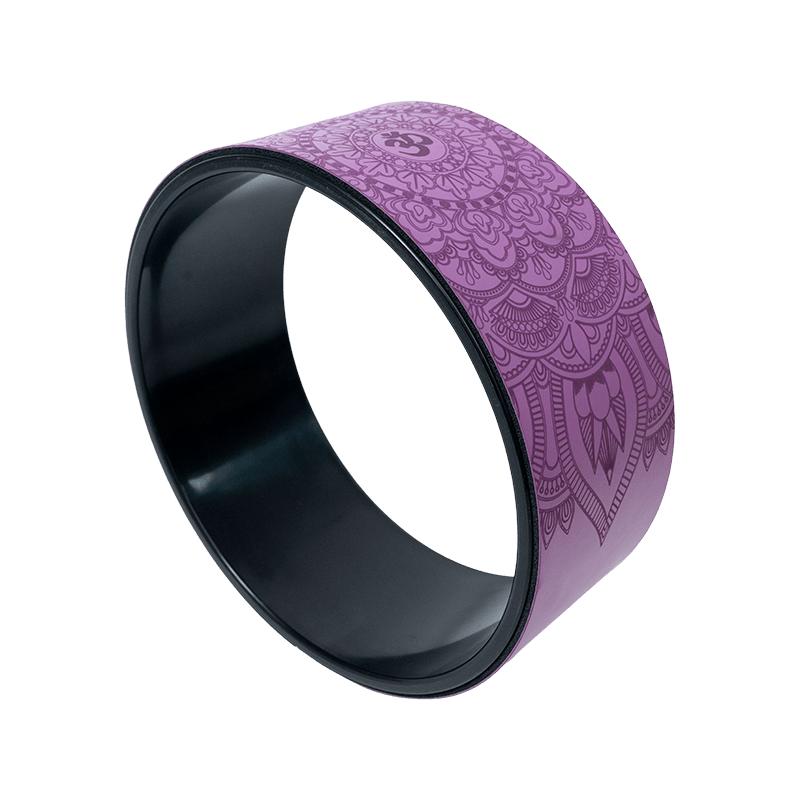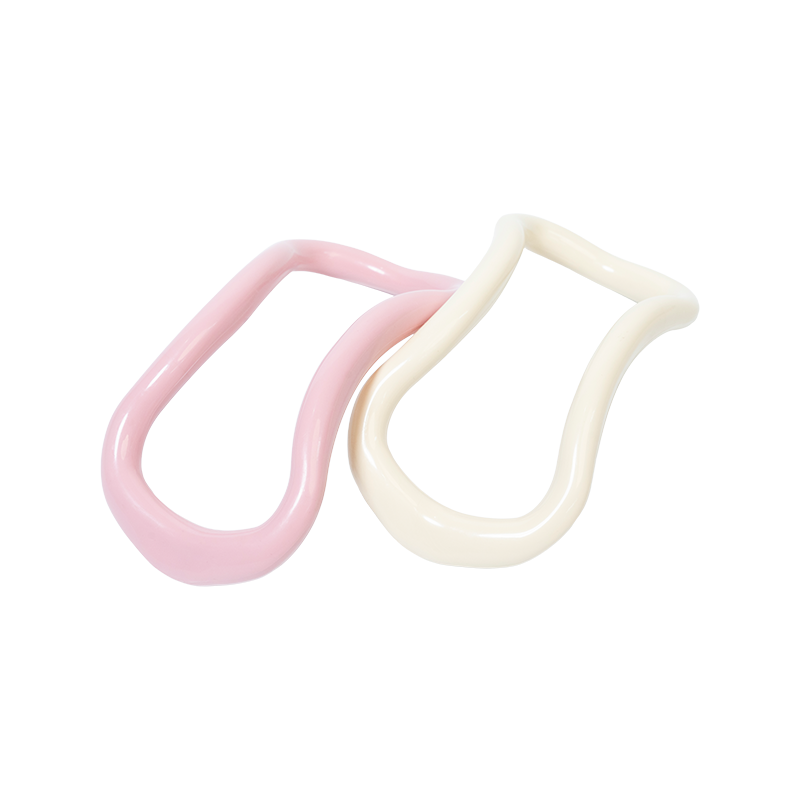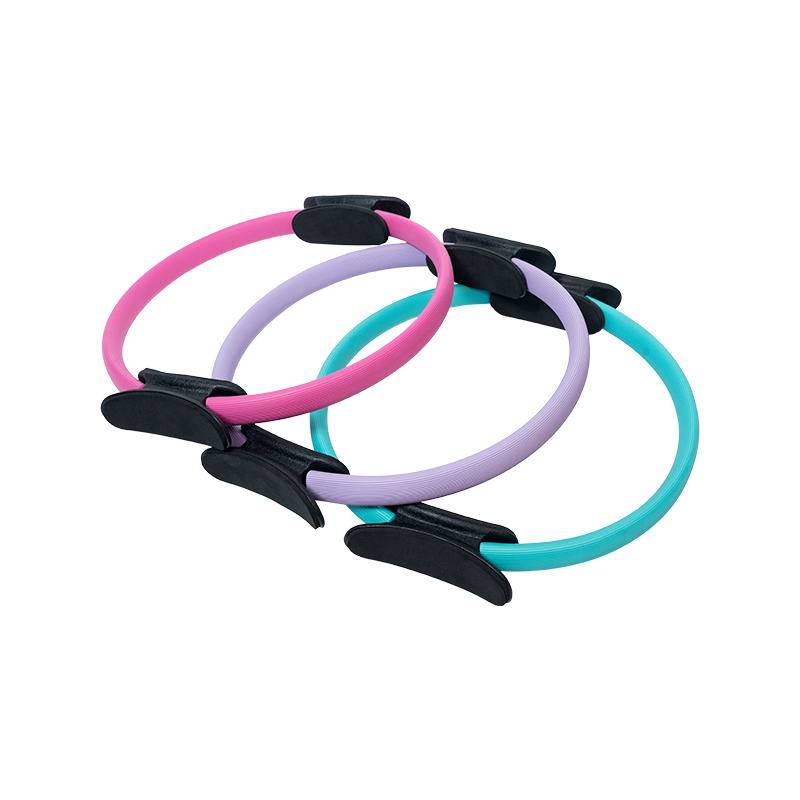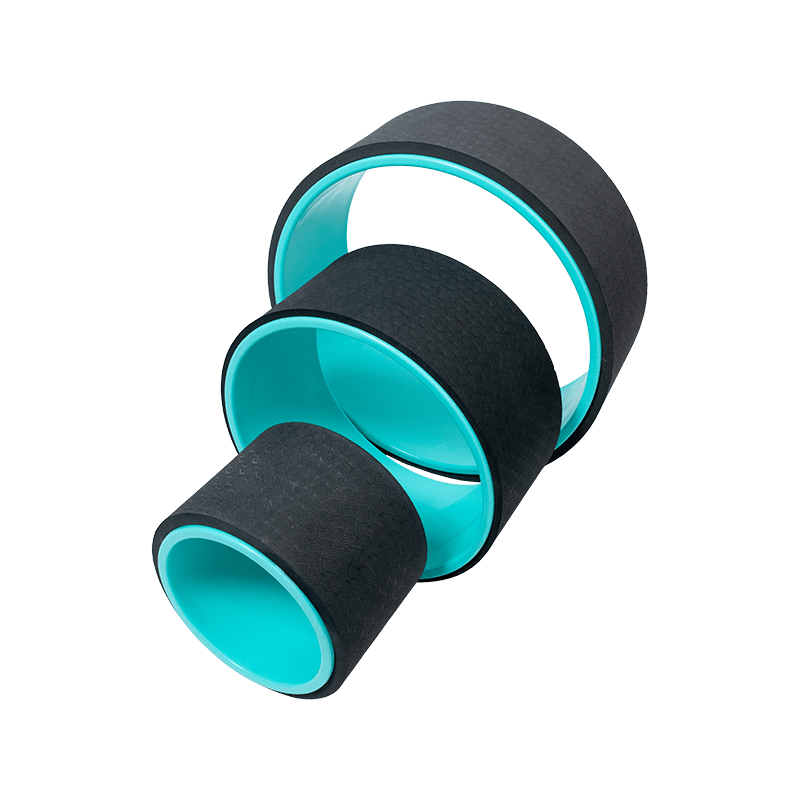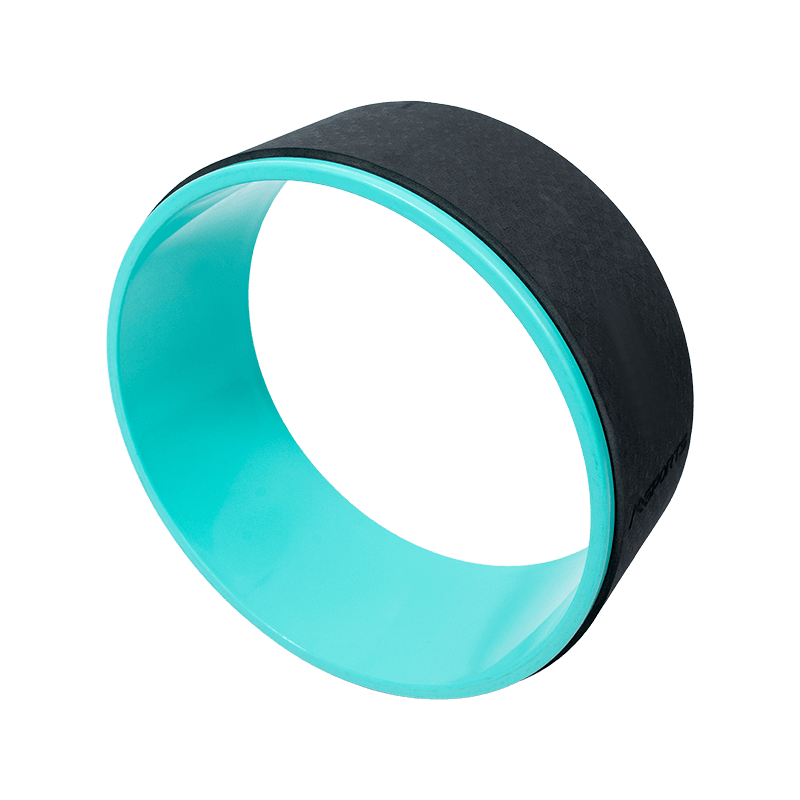



Et enkelt stykke udstyr, der træner kerne, inderlår, arme og kropsholdning uden at optage skabsplads, lyder som et stræk, indtil du tager en Pilates træningsring . Modstanden kommer fra selve ringen, ikke fra stabling af plader eller bånd.
Hvordan modstand kommer fra en simpel cirkel
Klem ringen mellem dine hænder, knæ eller ankler, og stellet bøjes lidt og skubber tilbage med elastisk modstand hele tiden, du holder stillingen. Det konstante push-back er det, der aktiverer stabiliserende muskler, som løsere kropsvægtbevægelser ofte springer forbi.
Modstandsniveauet afhænger typisk af rammens materiale og tykkelse, så match ringen til træningsoplevelsen i stedet for at antage, at et niveau passer til alle.
Hvad en ring faktisk træner
- Kerne og skrå: tryk på ringen mellem knæene under måttearbejdet aktiverer dybe stabilisatorer
- Indvendige og udvendige lår: benbaserede holder målmuskler mange standardrutiner savner
- Arme og bryst: håndholdte presser gør ringen til et kompakt overkropsværktøj
- Holdning og balance: kontrolleret, langsom modstandsarbejde forstærker tilpasningen over tid
Studie, klinik eller stue
Pilates-studier bruger træningsringe på tværs af måtteklasser for at tilføje modstand uden at introducere omfangsrige maskiner. Fysioterapi og rehabiliteringsindstillinger favoriserer dem for blid, kontrolleret modstand, der understøtter gradvis styrkegenvinding. Hjemmefitnessbrugere kan godt lide, at én ring erstatter flere tilbehør, da den foldes ind i en taske eller skuffe mellem sessioner uden behov for opsætning.
En ring, der føles håndterbar i et udstillingslokale, kan stadig være for fast til daglig brug, når først trætheden melder sig midt i sessionen. Hvis du er i tvivl, skal du vælge et lettere modstandsniveau og gå opad i stedet for at starte med den mest faste mulighed.
Pilates ring versus generelt modstandsudstyr
| Faktor | Pilates træningsring | Generelt modstandsudstyr |
| Bærbarhed | Kompakt, foldes sammen til en taske | Ofte større eller fastgjort på plads |
| Muskelmålretning | Fuld krop via forskellige hold | Isolerer ofte enkelte muskelgrupper |
| Omkostninger | Lav investering, enkelt værktøj | Kræver ofte flere elementer |
| Bedste pasform | Pilates, genoptræning, hjemmetræning | Gymbaseret styrketræning |
Specifikationer, du skal tjekke, før du bestiller
Ringdiameteren skal passe til håndens størrelse og den tilsigtede brug, da en ring, der er bygget til benarbejde, ofte har en anden størrelse end en, der primært er beregnet til håndpresser. Rammemateriale bestemmer både modstandsfølelse og langtidsholdbarhed, mens håndtagspolstring påvirker komforten under længere hold. For kommerciel studiebrug, spørg specifikt om belastningstestdata i stedet for at stole på en generel holdbarhedspåstand.
Samarbejde med en pålidelig producent
Konsekvent flex og modstand på tværs af en produktionsbatch afhænger af stramt kontrolleret rammestøbning og materialevalg. En etableret Pilates modstandsring producenten skal levere elastisk genopretning og belastningstestdata sammen med OEM-muligheder for modstandsniveau, håndtagsdesign og branding.
Ofte stillede spørgsmål
Hvilket modstandsniveau skal en nybegynder vælge?
Begyndere klarer sig generelt bedre med at starte med en lettere modstandsring og udvikle sig til et fastere niveau, efterhånden som styrke og teknik forbedres, i stedet for at starte med den mest udfordrende mulighed.
Kan en pilatesring bruges til genoptræning?
Ja, dens kontrollerede, justerbare modstand gør det til et almindeligt valg i fysioterapi-indstillinger til gradvist, lavt belastende styrke- og mobilitetsarbejde.
Hvordan adskiller en pilatesring sig fra et modstandsbånd?
En ring giver konsistent, fokuseret modstand gennem kompression i en fast form, mens bånd strækker og ændrer modstand gennem deres bevægelsesområde, hvilket gør de to velegnede til forskellige typer øvelser.
Betyder ringstørrelsen noget for forskellige øvelser?
Ja, ringe med mindre diameter har en tendens til at passe til hånd- og armøvelser, mens større ringe generelt er mere behagelige til øvelser udført mellem knæ eller ankler.